

Understanding the psychology behind gambling decisions What drives the thrill
The Nature of Risk and Reward
The allure of gambling often lies in the inherent thrill associated with risk and reward. The human brain is wired to seek out excitement, and this is amplified in gambling situations where uncertainty reigns. Players find themselves weighing the potential losses against the excitement of winning big, creating a psychological rollercoaster that many find irresistible. Moreover, many enthusiasts turn to platforms that offer the best online casinos to enhance their experiences.

This dynamic is further fueled by the dopamine release that occurs when individuals experience wins. This chemical reaction not only reinforces gambling behavior but can also lead to a cycle of chasing losses, where players believe they can recapture lost money through further bets. Understanding this cycle is crucial for anyone looking to engage with gambling responsibly.
The Role of Cognitive Biases
Cognitive biases significantly influence gambling decisions, often leading players to make irrational choices. One common bias is the “illusion of control,” where gamblers believe they can influence outcomes in games of chance. This can encourage riskier bets and prolonged play, as individuals cling to the hope of a favorable outcome.
Another common bias is the “availability heuristic,” where recent wins are more memorable than past losses. This skewed perception can lead players to overestimate their chances of success, further entrenching them in the gambling experience. By recognizing these biases, individuals can develop a more critical approach to their gambling habits.
The Social Aspects of Gambling
Gambling is not just an individual endeavor; it is often a social activity that enhances the overall experience. Many players are drawn to casinos and betting establishments for the communal atmosphere. Engaging with others, sharing stories, and celebrating wins together can heighten the thrill and sense of belonging.
However, the social aspects can also contribute to irresponsible gambling behavior. Peer pressure can compel individuals to make wagers they wouldn’t typically consider, often leading to negative consequences. Acknowledging the social dynamics at play can help individuals navigate their gambling experiences more thoughtfully.
The Appeal of Escapism
For many, gambling serves as a form of escapism, providing a temporary reprieve from the stresses of daily life. The excitement of betting and the immersive environments of casinos can create an alluring distraction. This desire to escape can drive individuals to gamble more than they initially planned, as they seek solace in the thrill of the game.
While escapism can be a natural response to life’s challenges, it is essential to approach gambling with a mindful attitude. Understanding when gambling becomes a detrimental coping mechanism is vital for maintaining a healthy relationship with these activities.
Responsible Gambling Practices
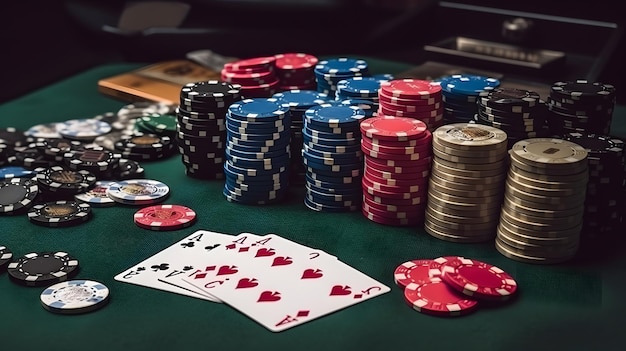
Promoting responsible gambling is crucial for mitigating the risks associated with gambling behavior. Awareness of personal limits, setting budgets, and recognizing the signs of problem gambling are key components of a responsible approach. Education plays a pivotal role in fostering an environment where individuals can enjoy the thrill of gambling without falling prey to its potential dangers. Engaging in responsible habits helps ensure that the excitement associated with casino activities remains a positive experience.
Understanding the psychology behind gambling decisions is the first step toward responsible engagement. By being aware of the psychological triggers, social influences, and the appeal of escapism, individuals can enjoy gambling as a fun and thrilling pastime while safeguarding against the pitfalls that often accompany it.
